

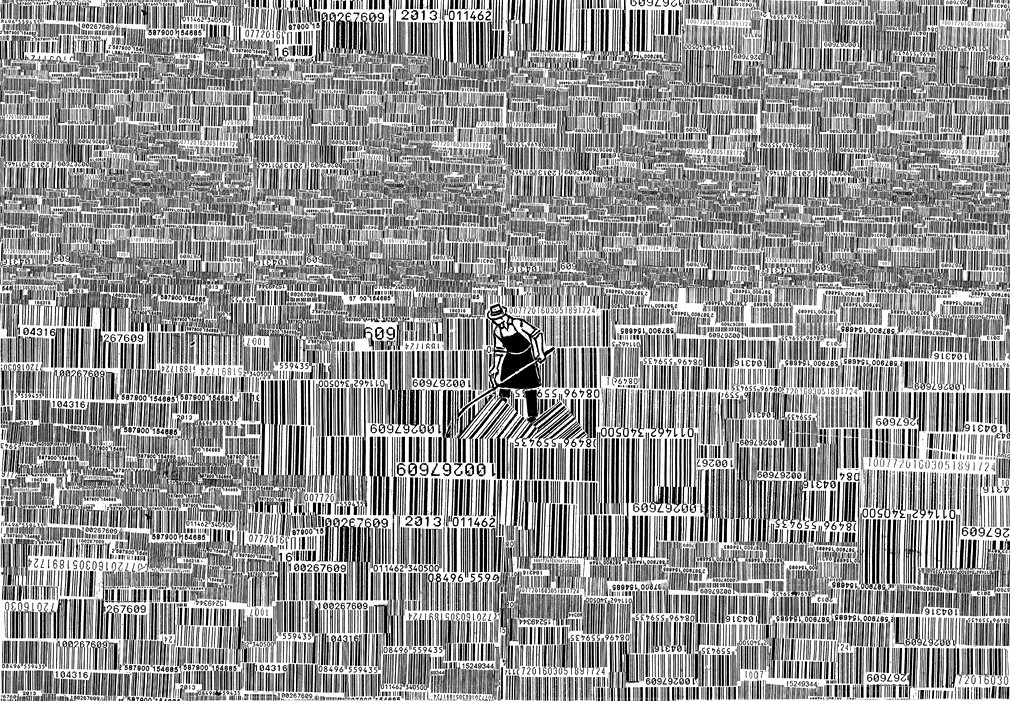
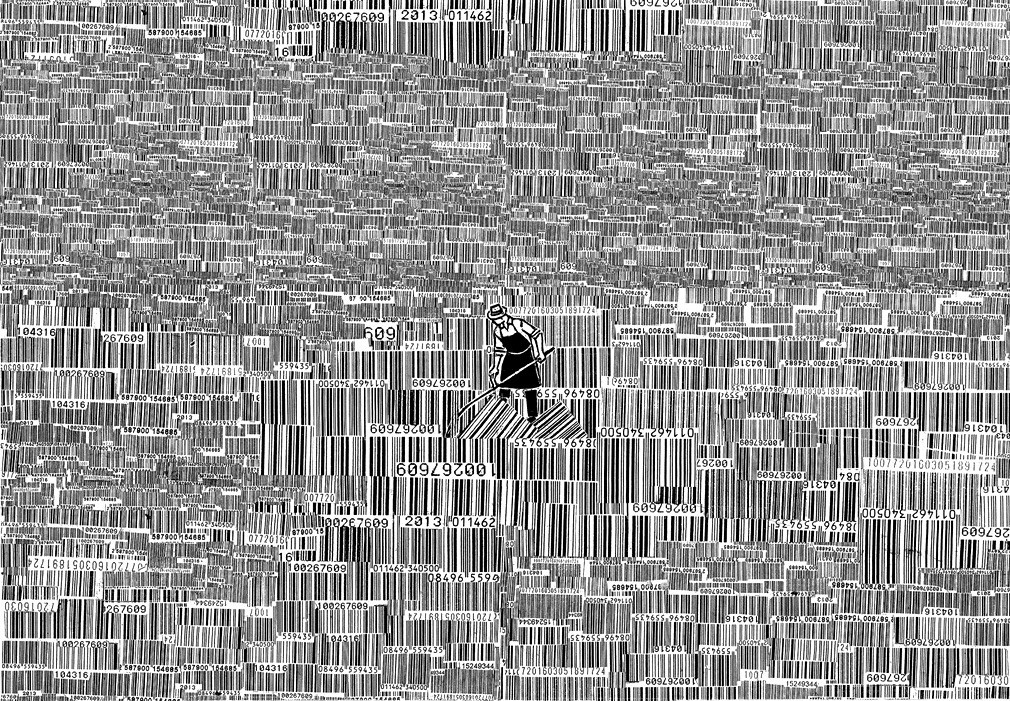
Remarkable historical footage is locked behind paywalls. It’s time to set it free.
(…) Captured Images tells the story of audiovisual ownership and the monetisation of history itself, making a compelling argument that this vital material belongs to the public.
“I completely ignored the front end development scene for 6 months. It was fine.” (Via frontendfoc.us.)
dotbot – a tool that bootstraps your dotfiles.

$119.99
Every O.MG Cable is hand made and tailored to look and feel exactly like the cable your target already has in their possession. (…) It is packed with a web server, 802.11 radio, and way more memory and processing power than the type of cable you would want for just doing demos. But the flexibility makes demos easy.
nanoSQL 2 – Universal database layer for the client, server & mobile devices.
It's like Lego for databases.
The Day the Good Internet Died.
For a small slice of time, being online was a thrilling mix of discovery, collaboration, creativity, and chaotic potential. Then Google Reader disappeared.
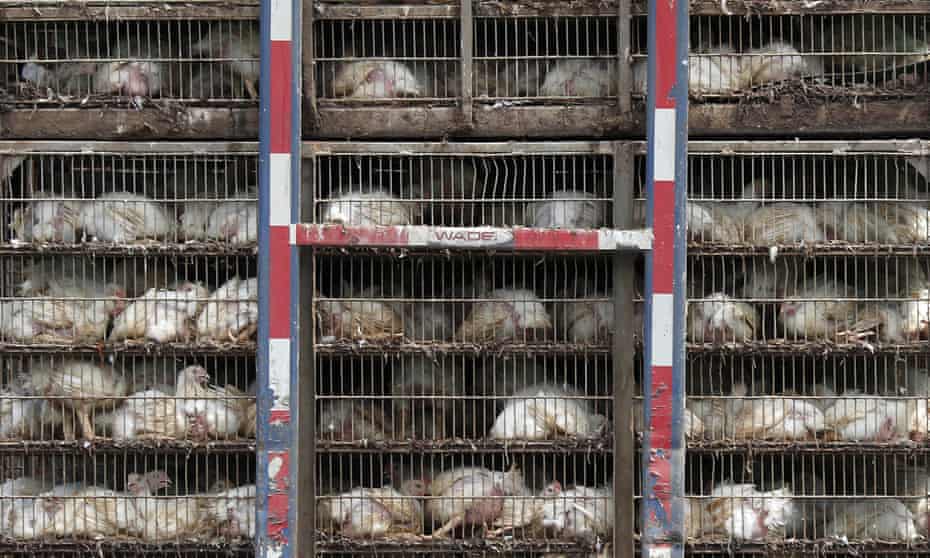
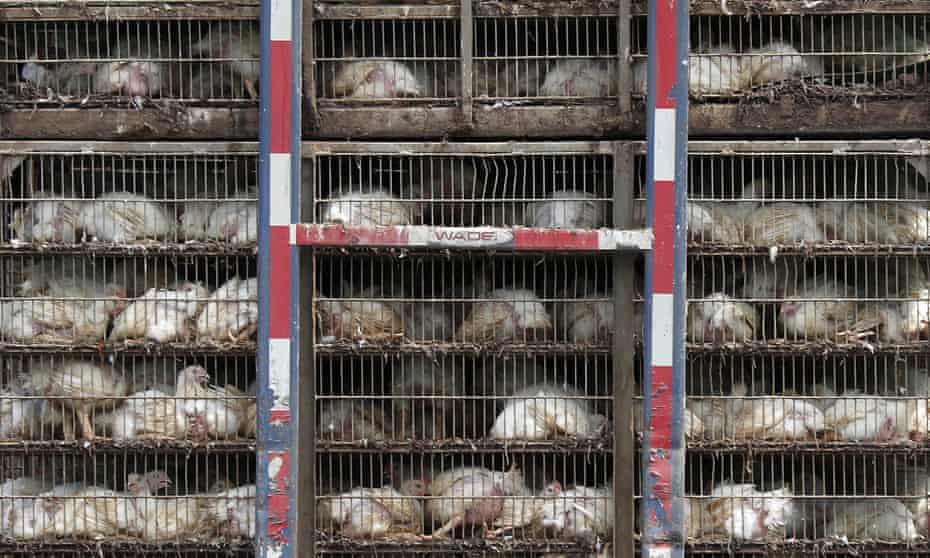
Man v food: is lab-grown meat really going to solve our nasty agriculture problem?
A world in which the factory-farmed nugget is replaced by the bioreactor-brewed nugget would be a monumental win for animals and the environment. If tied to progressive industrial and agricultural policy, it could also be a win for labour, public investment, land use and champions of sustainable agriculture. No, this would not be a one-shot, magic bullet solution to the many ills of food production; there is no panacea. But it’s a start.
timefind let’s you find the exact moment that something was added to a website. It quickly flips through Web Archive snapshots using binary search, pinpointing the date of the modification.
Checks out.
IPv4 vs. IPv6 FAQ.
Should I support IPv6 on my server?
You can if you want, but despite what some people will claim, it probably won’t make much difference.