

1001 Albums Generator (via bizzarodevs.com).
Generates a random album each weekday from the book 1001 Albums You Must Hear Before You Die.
A Modern Compiler for the French Tax Code (PDF) (via lobste.rs).
Relevant: Catala is a domain-specific programming language designed for deriving correct-by-construction implementations from legislative texts.
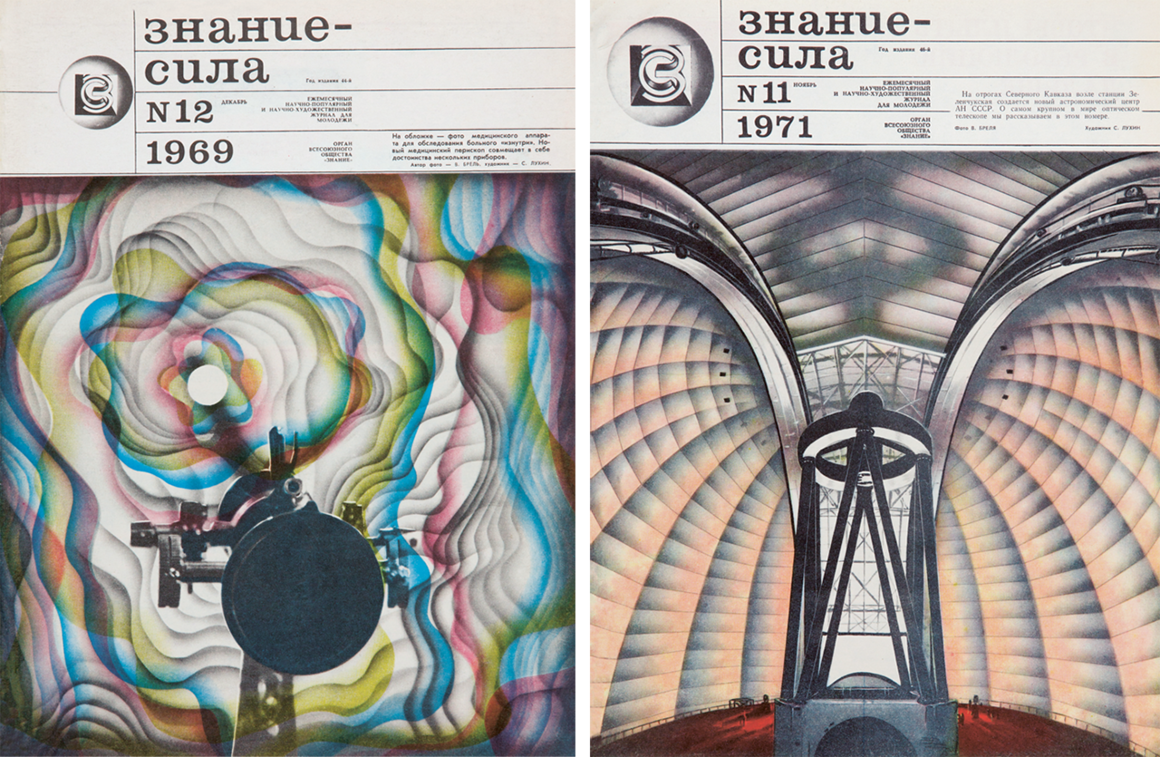
How Soviet Science Magazines Fantasized About Life in Outer Space.
Soviet illustrations, even ones with whizzing UFOs and bafflingly futuristic machines, were not drawn to entertain as much as to educate and promote the Communist project.
Relevant: Soviet Space Graphics.
The fall of Beirut.
Whilst many Lebanese had hoped that the Beirut port explosion would lead to change, instead it exposed the political vacuum at the heart of the system. So people took matters into their own hands.


The war on climate denial has been won. And that’s not the only good news.
Team Bandcamp ❤️
A Tale Of Two Ecosystems: On Bandcamp, Spotify And The Wide-Open Future.
Spotify is now worth an estimated $54 billion on the stock market, despite having never shown an annual profit. Bandcamp is privately owned, has been in the black since 2012, and continues to grow... slowly. You might be tempted to say that one is a 21st-century business, and the other belongs to an earlier age. But neither could exist at any other time.
My take: one is for the music lovers, the other for the shareholders.
Relevant: Metal Magazine Interview.
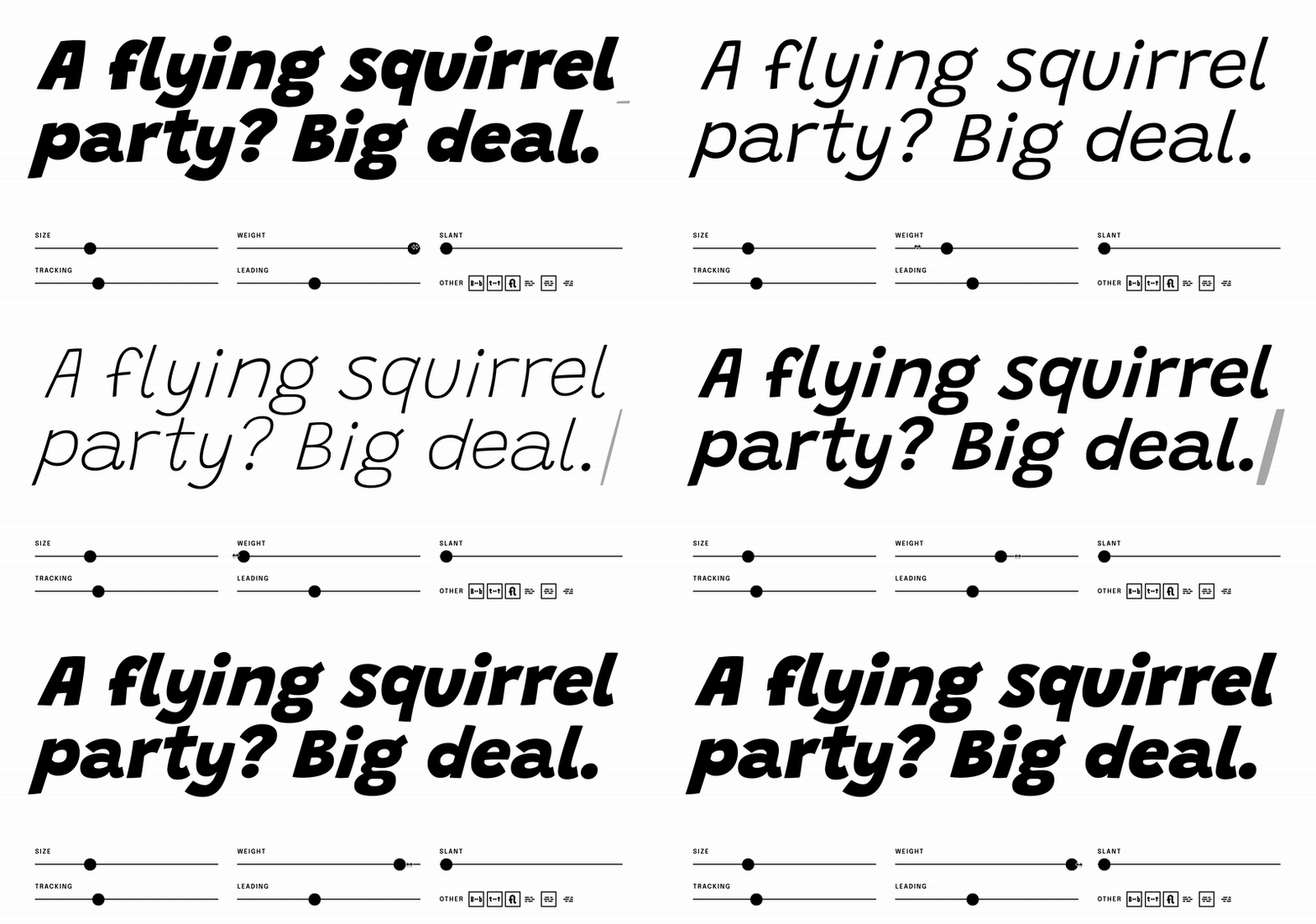
Uniwidth typefaces for interface design.
(…) if you’ve ever worked with precisely designed interfaces before, you know how frustrating it can be to find your painstakingly placed labels shoot around like flipper balls when you switch them from regular to bold.

“Why I'm losing faith in UX.”
UX is now "user exploitation."
Glamorous Toolkit is the moldable development environment.
It is a live notebook. It is a flexible search interface. It is a fancy code editor. It is a software analysis platform. It is a data visualization engine. All in one.
Relevant: Pharo, a dynamic, pure object-oriented programming language in the tradition of Smalltalk.