

Foam is a personal knowledge management and sharing system inspired by Roam Research, built on Visual Studio Code and GitHub.
You can use Foam for organising your research, keeping re-discoverable notes, writing long-form content and, optionally, publishing it to the web. Foam is free, open source, and extremely extensible to suit your personal workflow.
The Q Project, an open-ended typographic play system
The Q Project is a game-like type system that enables users to create a nearly infinite number of variations. Inspired by toys like Lego or Meccano, Q invites you to explore its vast creative space and discover not only new solutions, but also new problems.
Been there, still being there.
With YouTube Music, Google is holding my speakers for ransom.
YouTube Music charges a monthly fee to play my music on my speaker?


The three traps of medical AI articles.
They either don’t understand medicine, they don’t understand AI, or they don’t actually compare doctors and machines.
ncdu, htop, tldr, jq and fd.
5 modern alternatives to essential Linux command-line tools.
NASA Names Headquarters After ‘Hidden Figure’ Mary W. Jackson (via futurism.com).


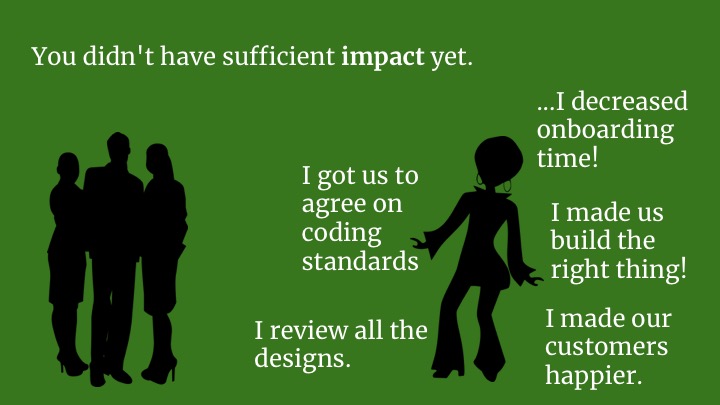
You know that thing where everyone on a software engineering team turns up and just writes code for eight hours a day and then later the project is successful? No you don't. Projects don’t work like that!

Lateral thinking is classic pseudoscience, derivative and untested.
Given that the lateral thinking movement has had almost 50 years to put its evidential house in order, to test whether its mental tricks are any more effective than, say, a short nap or concentrated effort, it’s surely time to put it back in the box and file it under what (H.L., ed.) Mencken would have baldly called flim-flam.
🤯
Slingcode is a personal computing platform in a single html file.
Remember tiddlywiki.com?