

Vergessene Geheimsprache Rotwelsch.
Als Harvard-Professor Martin Puchner zu der Sprache Rotwelsch recherchiert, stößt er auf Familiengeheimnisse und Abgründe der Geschichte.
HBO Drama Revives a National Trauma for Israel.
It was the extraordinary coldbloodedness of the murder that made it true-crime movie material in the first place: a Palestinian teenager snatched off a Jerusalem street by Orthodox Jews, choked, bludgeoned and burned to death in a forest at dawn.
But “Our Boys,” a 10-part series that started this month on HBO, is under attack in Israel largely because of that singularity, amid an ideologically and emotionally charged battle over the politics of bereavement and victimhood.
Immigration panic: how the west fell for manufactured rage.
It is an Old World idea. While the colonisers ruled over the colonies – and the slave owners in the New World over the slaves – they also began to find it essential to distinguish themselves from their subject peoples, to hold themselves morally, intellectually and civilisationally superior to them. Otherwise, where would the colonial enterprise end?
Native American name controversy.
(…) the United States government responded by proposing the use of the term "Native American", to recognize the primacy of indigenous peoples' tenure in the nation. The term has met with only partial acceptance. Other naming conventions have been proposed and used, but none are accepted by all indigenous groups. Typically, each name has a particular audience and political or cultural connotation, and regional usage varies.

The option to save an anonymous CodePen is no more.
As of today, login is required to save any content on CodePen.
I know it’s not a good idea to rely on third-party infrastructure, however for my students trying out HTML and CSS with CodePen now became a wee bit uncomfortable. And I totally understand the rationale behind this move. The reasons (idiots like spammers, scammers, abusers) are why we cannot have nice things.
The Sensitivity Gene.
“(…) infants born with an especially excitable amygdala (i.e. short-allele children) would…grow up to be children who were more likely to feel vigilant when meeting new people”. In other words, high-reactivity may predispose one to guarded and reclusive behavior.
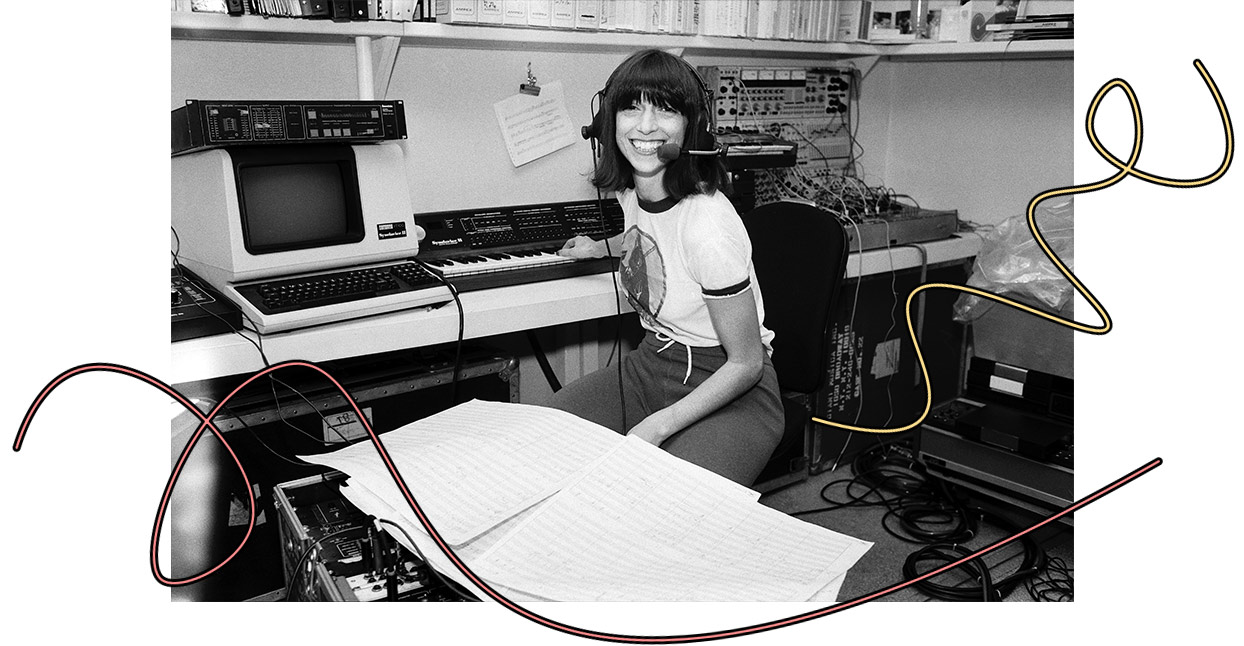
Eight Artists Making Music Built on Buchla Synthesizers.
From Suzanne Ciani to Dntel, these artists unlock the timeless power of the legendary instrument.

The “Emerald Path”.
This magical, moss-covered trail winds through a Pennsylvania state park.


Moment that mattered: The UK government moves to revoke Shamima Begum’s citizenship.
On Valentine’s Day 2019, The Times published an article by Anthony Loyd in which the reporter revealed he had discovered the whereabouts of missing ‘jihadi bride’ Shamima Begum, one of three Bethnal Green schoolgirls who had run away to join the Islamic State four years previously. In Loyd’s interview with her, conducted in Syria’s Hawl refugee camp, Begum, who was nine months pregnant at the time, expressed her desire to return to the UK but also said she had no regrets about joining Isis. In DG #34, Loyd reflected on the then-home secretary’s decision five days later to revoke her British citizenship and on the wave of public controversy his scoop triggered.