

Lake Chad: The World’s Most Complex Humanitarian Disaster.
The lake spans the borders of Chad, Cameroon, Nigeria, and Niger. In recent years, its people have been devastated by Boko Haram, climate change, local militaries, and extreme poverty. Across the broader region, millions of people have been displaced.
Choosy Eggs May Pick Sperm for Their Genes, Defying Mendel’s Law.
The oldest law of genetics says that gametes combine randomly, but experiments hint that sometimes eggs select sperm actively for their genetic assets.
From the “making the world a better place” dept.
How technology can shape our lives — for the better.
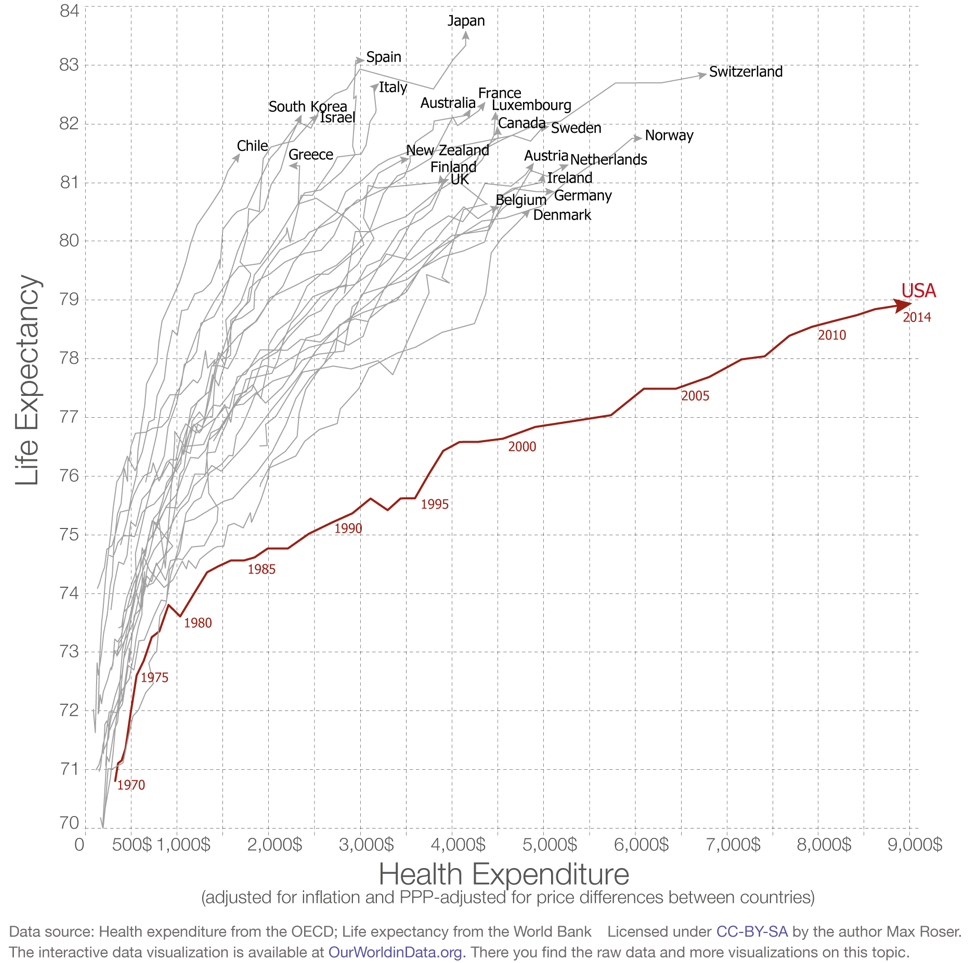
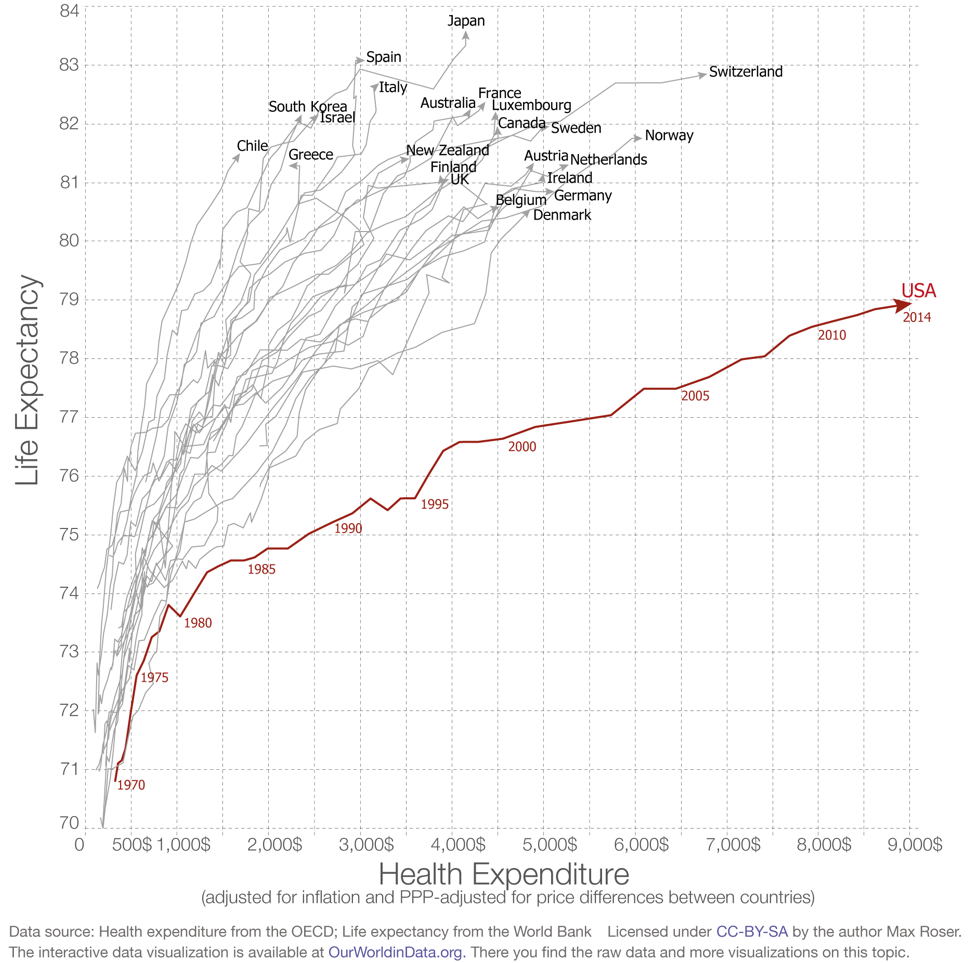
The United States spends far more on health care than any country in the world and yet, in terms of health outcomes, we achieve dismal results.
The internet has altered the meaning of “truth” and “trust”.
I don’t like this narrative that trust is in crisis. In fact, it’s dangerous because it only serves to amplify the cycle of distrust. Trust is like energy — it doesn’t get destroyed, it changes form.
In the headline it sounds easier than in the copy, btw.
I Made an Untraceable AR-15 ‘Ghost Gun’ in My Office—and It Was Easy.
When I finally slotted in the pins to attach the upper receiver—a component that looks much more like a gun than the lower receiver and whose total lack of regulation is, frankly, bizarre—they made a pleasant chink. My AR-15 was complete.
Hiking the Grand Canyon: 800 Miles of Magic and Misery.
Follow two men on their epic, end-to-end hike of the Grand Canyon—something only a handful of people have accomplished.
One of the most wondrous markers of the end of the day is a murmuration of starlings.
Is ‘grassroots’ citizen science a front for big business?
One example is PatientsLikeMe, where patients targeted via advocacy groups upload details about their experience of illness and treatment, which is then sold on to pharmaceutical companies to provide alternative data to conventional clinical trials.
The Sentience Quotient.
The lowest SQ possible would have just one neuron with the mass of the whole universe (1052 kg) and require a time equal to the age of the universe (1018 seconds) to process just one bit, giving a minimum SQ of −70.
The Root of All Cruelty?
The sadism of treating human beings like vermin lies precisely in the recognition that they are not.