

The guy behind the guy behind 45.
How Robert Mercer exploited America’s populist insurgency.
Nothing to hear here.


Visualizing Garbage Collection Algorithms (via reddit.com).
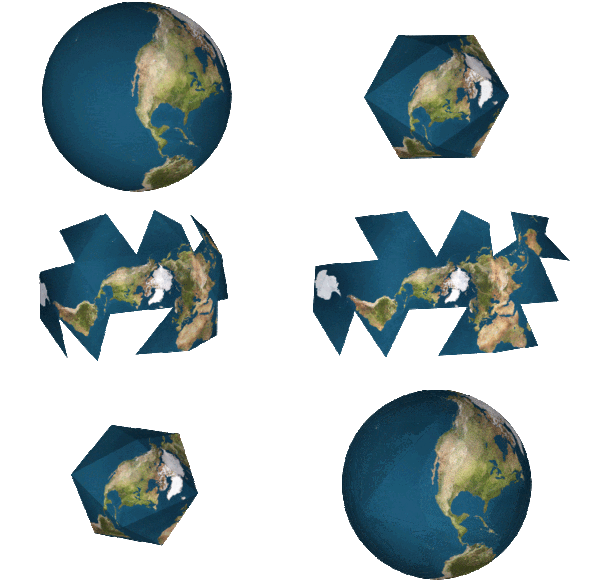
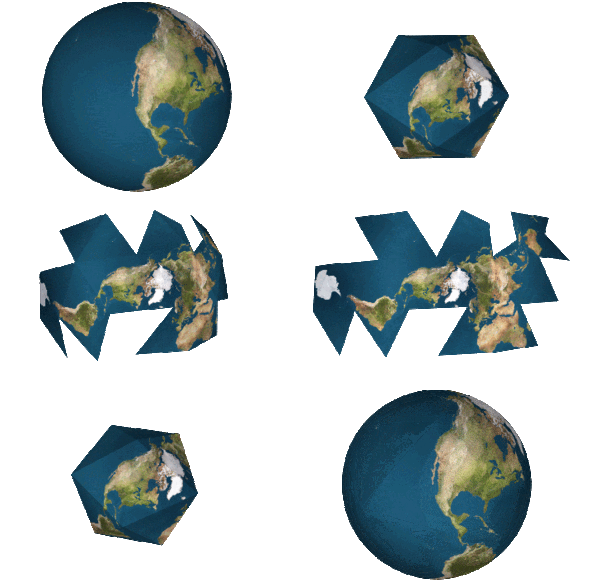
It's Official: Boston's Public Schools Have Ditched This Distorted and Misleading World Map.
Exchanging one distorted map with another, not less distorted one seems weird to me… why not go for Buckminster Fuller’s wonderful Dymaxion map?
Google Cramping Itself Hampering the Open Web
“Google says it can’t trust our self-hosted AMP pages enough to pre-render them. But they ask for a lot of trust from us. We’re supposed to trust Google to cache and host copies of our pages. We’re supposed to trust Google to provide some mechanism to users to get at the original canonical URL. I’d like to see trust work both ways.” — Jeremy Keith
“HTML on its own is incredibly fast. HTML served on a CDN is faster still. If we want faster websites then we need to use fewer things that slow it down. We can do that on our own right now, we don’t have to create a new subset of HTML to do so.” – Justin Avery
“But hearing you say that the lightning bolt is a symbol of Google verifying and validating and hosting this page that’s scary to me as someone who cares about the open web. If you talk about the open web you’re talking about standards based and decentralized and where content isn’t privileged right? And AMP does all those things. It’s not a W3C standard – yet. It’s not decentralized because at least all AMP pages are hosted on Google’s cache. So if you search Twitter for google.com/amp there’s lots of results there people are sharing that URL so it’s not decentralized (…). AMP content is privileged in search results, and that concerns me.” – Gina Trapani
Relevant: Cloudflare just released an AMP validator you can cURL.
Paranoid schitzo, set back, snowbound Bad news psycho, heart attack, breakdown!
Dream City (1986).
Via aeon.co.
Why Privacy is important even though you have nothing to hide.
Relevant: Why Consumers Are Making Their Own Clouds.
Sleepwalking is the result of a survival mechanism gone awry.
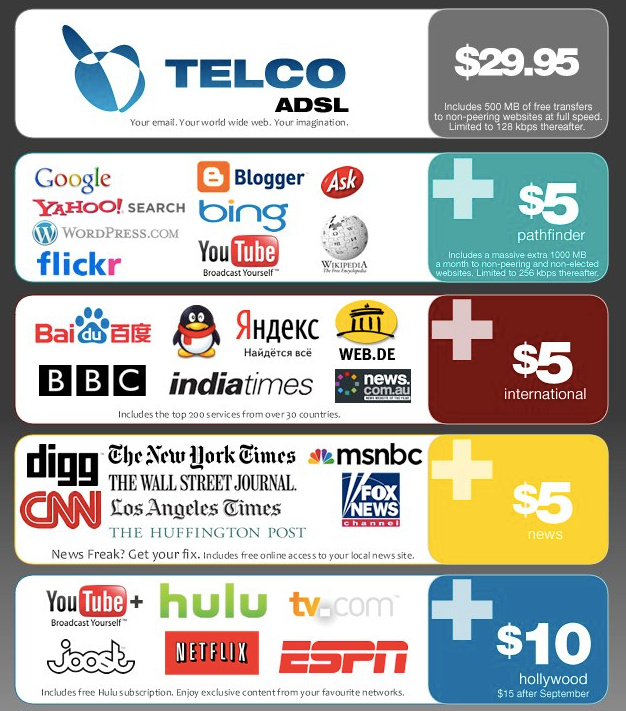
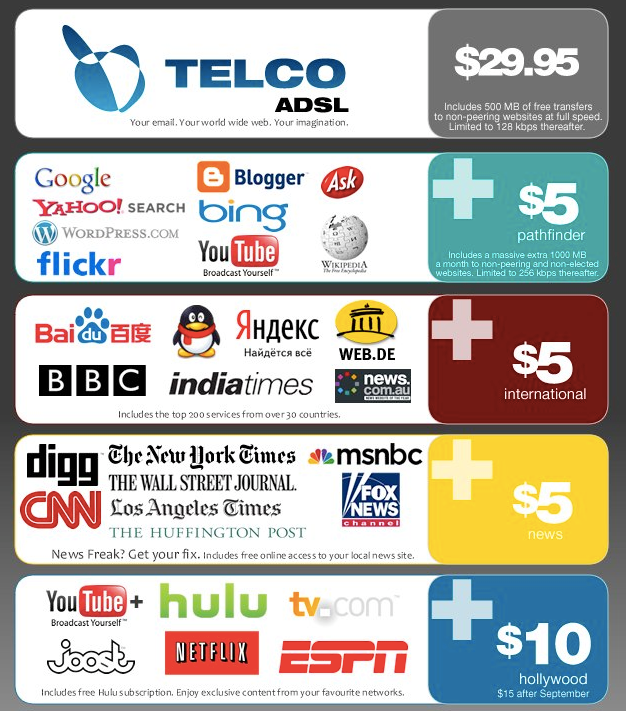
The future of the open internet — and our way of life — is in your hands.
A handful of corporations are turning our open internet into this: