


Currently checking out Visual Studio Code for front-end development… not bad so far. (And freely available for the three major platforms)
Interestingly, TextMate and Sublime Text (version 3 of the latter being my current and long-time choice) have really defined a high standard most state-of-the-art GUI editors try to emulate and evolve from, fortunately. Thus, switching from one editor to another often is less hard than anticipated.
Still the biggest obstacle of many editors based on web view is performance, though. Curious how VSC will do.
Infographics: data defines design aka form follows function.
The most misleading charts of 2015, fixed.
The beautiful works of Stefanie Posavec (via news.ycombinator.com).
A social network analysis of Star Wars – quite challenging due to transforming identities.
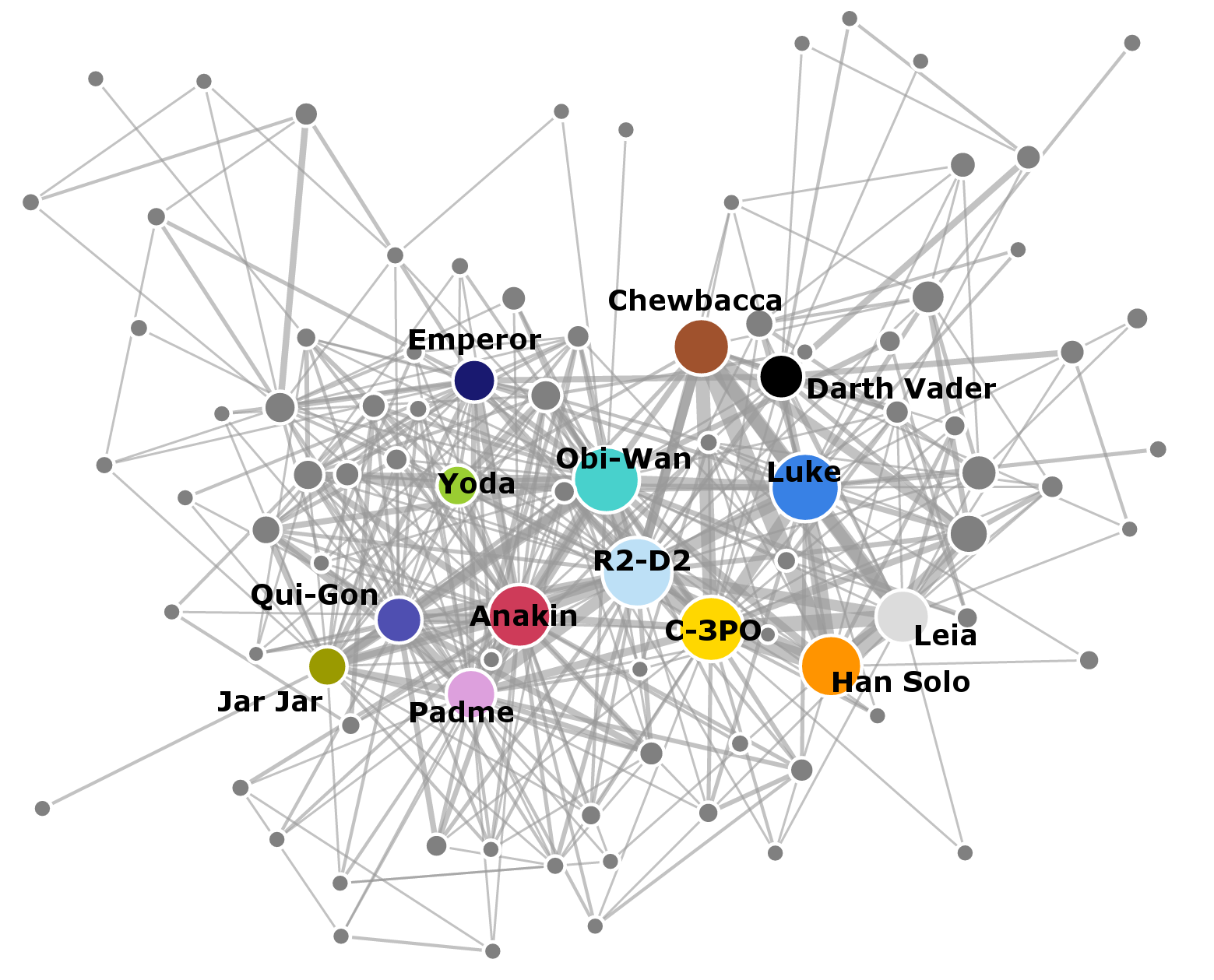
“Which of the (…) maps are most accurate and truthful? Well, they all use the same data and none of them are wrong so surely it's all just a matter of interpretation and personal preference? I don't think so.”
Pale blue dots.
A Day in the Life of Americans.
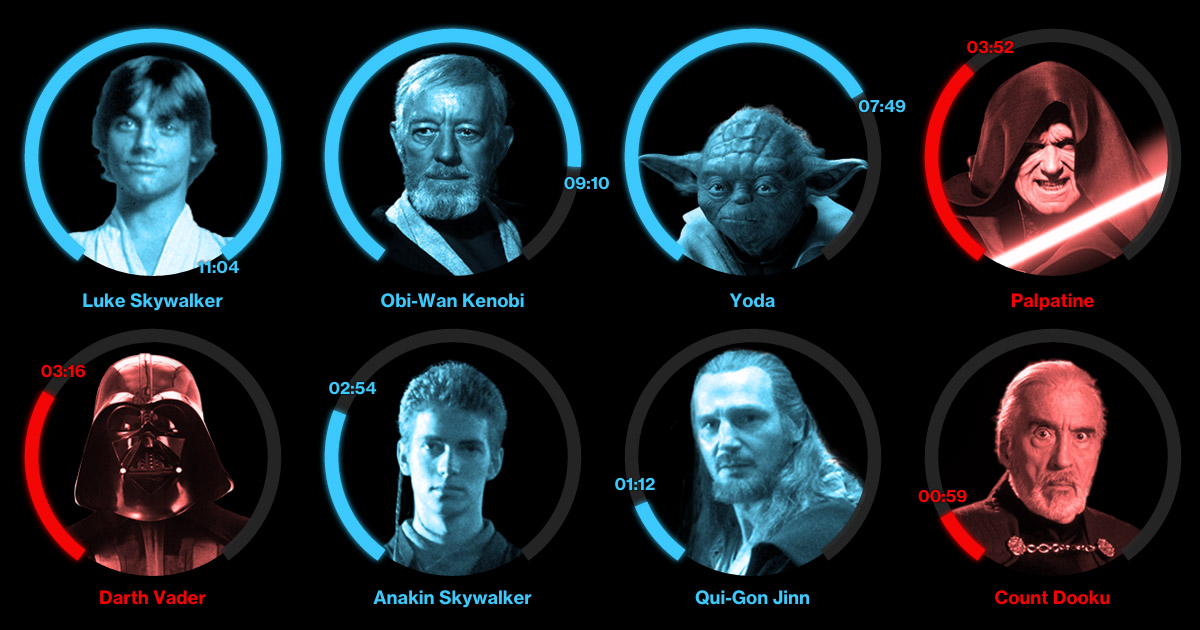
Star Wars: The Force Accounted.

“First class isn't better because of the seats, it's better because it's not coach.”
“What I Learned In 12 Weeks Of Therapy For Social Media Addiction.”